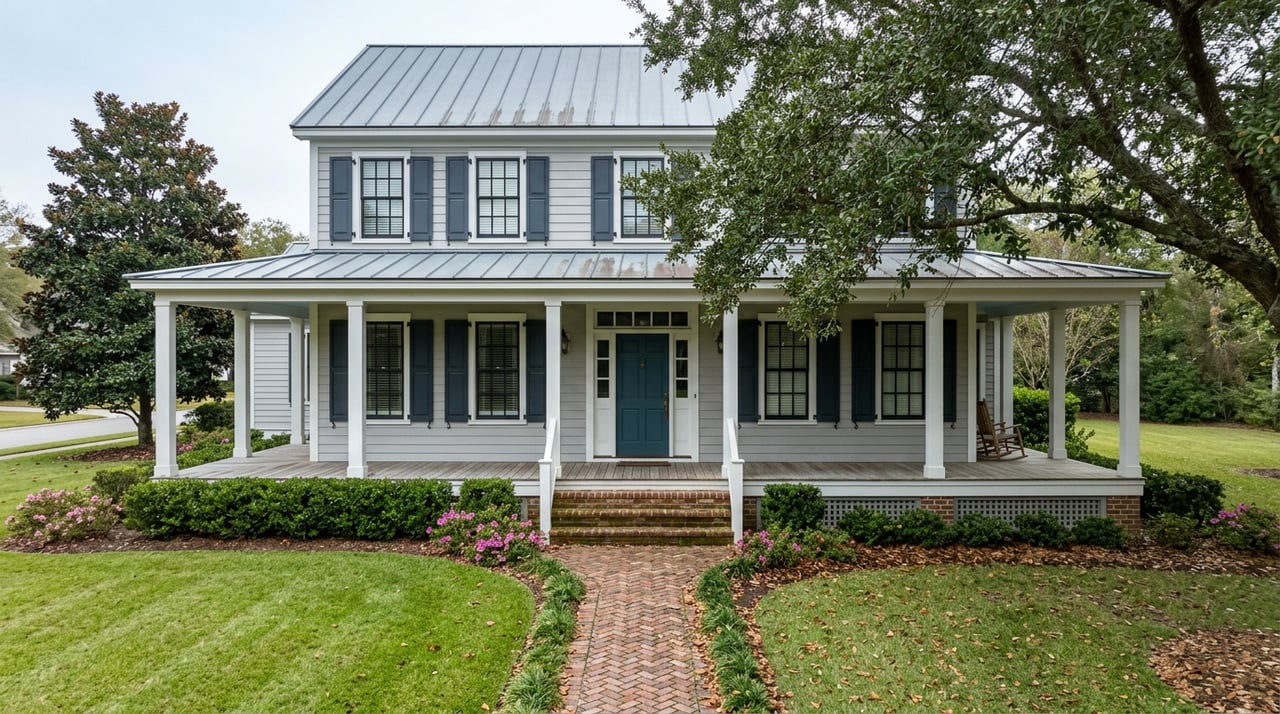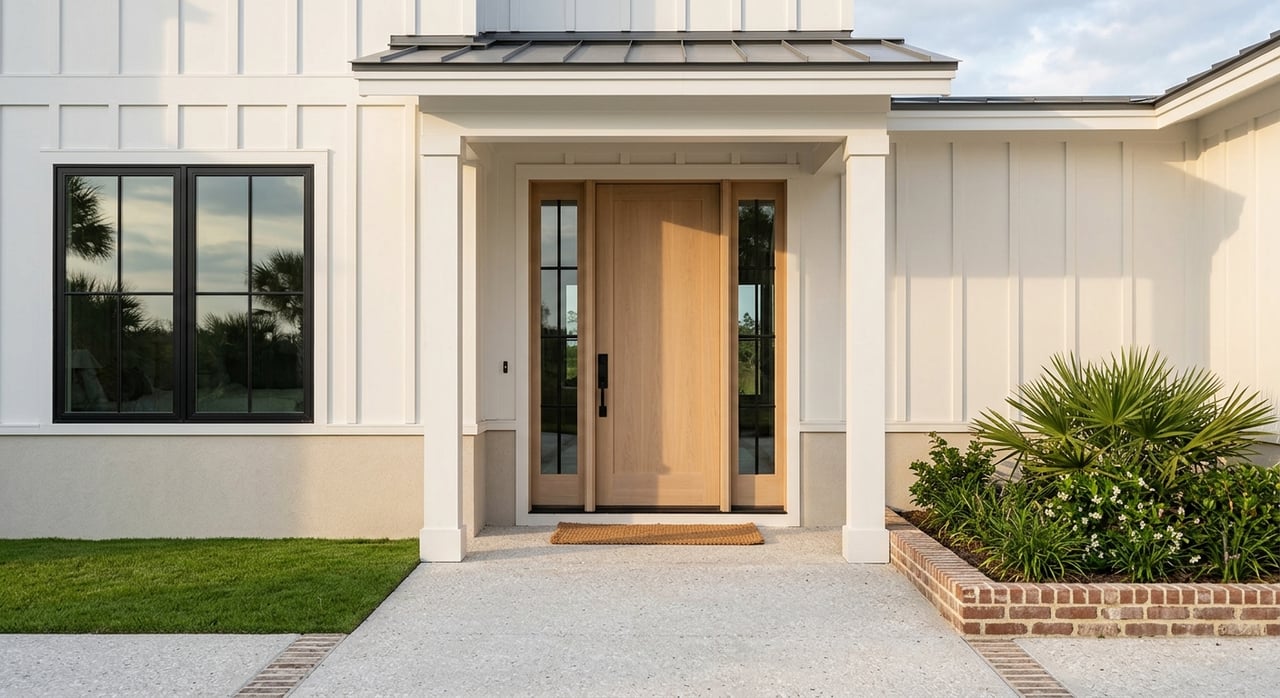
Thinking about buying a brand-new home in Mount Pleasant? It can feel exciting at first glance, but new construction often comes with a different timeline, contract process, and decision-making rhythm than buying a resale home. If you want to go in prepared, this guide will help you understand what to expect, what to ask, and where buyers often run into surprises. Let’s dive in.
Where new construction is happening
In Mount Pleasant, new construction is not limited to one single pocket of town. Much of the newer inventory is found in master-planned and phased communities, including Carolina Park, Park West, and newer sections of Dunes West.
That matters because “new construction” can mean very different things depending on the neighborhood and phase. You may find custom homes on larger homesites, semi-custom homes in planned communities, townhomes, or quicker move-in homes that are already underway.
For example, Carolina Park includes multiple neighborhood options, and some sections offer custom-home opportunities with design review requirements. Other parts of the community include townhomes and homes that may be further along in construction.
Know the main types of new homes
Before you tour, it helps to understand the basic categories builders may offer. The type of home you choose will shape your budget, timeline, and how many design decisions you will need to make.
Spec and quick move-in homes
These homes are usually already under construction or close to complete. They can be a smart fit if you want a faster move, but you will usually have fewer opportunities to personalize finishes and layout details.
This option often works well if timing matters more than customization. You trade some flexibility for speed and a more predictable path to closing.
To-be-built homes
A to-be-built home typically gives you more choices on finishes and, in some cases, floor plan details. That added flexibility can be appealing, but it also means more decisions, more paperwork, and a longer timeline.
If you choose an early-stage home, budget discipline becomes especially important. Upgrades and change orders can move the final price faster than many buyers expect.
Custom or semi-custom homes
Some Mount Pleasant communities include opportunities for custom or semi-custom building. In these cases, design review standards may apply, and the planning phase can be much more involved than with a production builder.
A fully custom path can offer more personalization, but it also usually takes the longest. Design can last several months, and construction may take at least 12 to 16 months, with delays still possible.
Understand the Mount Pleasant timeline
One of the biggest mistakes buyers make is treating a builder’s estimated closing date like a guarantee. In reality, new construction timelines often shift, and in Mount Pleasant, local permitting steps can play a real role.
The Town of Mount Pleasant regulates many new residential projects at the local level. For certain vacant-lot residential permits in incorporated Mount Pleasant, the town uses a Residential Only Building Permit Allocation System with six-month allocation cycles on a first-come, first-served basis. Carolina Park and Liberty Hill Farms are excluded from that system.
The town also requires permit requests to be complete and tied to a specific lot and plan. In addition, construction must begin within 180 days after a permit is issued, or the permit becomes invalid.
There are also practical steps that affect timing before a permit is issued. The town requires proof of paid water tap fees, and the inspection process includes multiple stages such as footing, slab, rough-ins, framing, insulation, and final Certificate of Occupancy.
What that means for you
You should view the estimated close date as a target, not a promise. Weather, permit timing, construction progress, and buyer change orders can all affect the schedule.
If your move depends on a lease ending, a home sale, or a relocation deadline, it is smart to build in extra breathing room. That matters even more if you are buying from out of town and trying to coordinate everything remotely.
Budget beyond the base price
A builder’s base price is only part of the story. In many new-construction purchases, the final price changes during design-center appointments and change-order decisions.
Common selection categories include cabinets, flooring, paint colors, countertops, plumbing fixtures, lighting fixtures, and exterior colors. Builders may also use allowances for items like flooring, kitchen backsplashes, bathroom tile, and light fixtures.
That is why one of the most important early questions is simple: What is included, and what costs extra? A home that looks comfortably within budget at first can become much more expensive once optional selections are added.
A simple way to prioritize upgrades
A helpful approach is to divide selections into two buckets:
- Must-have-now items that are hard or expensive to change later
- Can-add-later items that you can update after closing
For many buyers, items behind the walls or built into the structure deserve more attention first. Decorative finishes may feel exciting, but they are often easier to change over time than core construction choices.
Design center decisions can move fast
If you are buying early in the build process, you may have more freedom to personalize the home. You may also need to make a lot of decisions on a tight schedule.
Builders may have an in-house designer, and some features may already be selected before you ever sign. It is important to ask what is still open for selection and which choices are fixed.
Changes after contract are often handled through change orders. Those change orders can affect both cost and completion timing, so it is wise to understand that process before you commit.
Representation matters in South Carolina
New construction buyers sometimes assume the on-site sales representative is there to guide both sides equally. In South Carolina, that is not how agency works.
State rules require brokerage relationship disclosure at the first practical opportunity when there is substantive contact. A buyer becomes a client only through a written buyer agency agreement. Until then, you are considered a customer, and the brokerage is not acting as your advocate on price or terms.
That distinction is especially important in builder transactions. The South Carolina Real Estate Commission has made clear that there is no builder’s-agent exemption under state law, and builder agents must still follow agency rules and respect an existing buyer agency relationship.
Why this helps you
When you have your own representation in writing, communication and negotiation are clearer. The Commission also states that when a buyer is represented, the builder’s agent should communicate through the buyer’s agent on matters including negotiations, inspections, final walk-throughs, and punch-list items.
For you, that can mean better coordination, cleaner communication, and stronger support when details start stacking up. In a process with many deadlines and moving parts, that structure matters.
Do not skip independent inspections
A new home is still a construction project, and municipal inspections are not the same as buyer-focused inspections. Town inspections are code-based and tied to required construction milestones.
That is why many buyers still consider independent inspections during the build. Phase inspections, such as a pre-drywall inspection and a final inspection, can help you identify issues before closing.
A final walk-through also matters. It gives you a chance to confirm the agreed work is complete, note punch-list items, and make sure the home is in the condition you expect before you close.
Disclosures may differ from resale homes
If you have bought resale property before, you may expect the same seller disclosure package in a new-construction deal. In South Carolina, that assumption can cause confusion.
The state’s property-condition disclosure law generally applies to one- to four-unit residential transfers, but it excludes the first sale of a dwelling that has never been inhabited. In plain terms, some new-home sales do not come with the same owner disclosure package you may see in a resale transaction.
That makes your own due diligence even more important. Reading the contract carefully, understanding what the builder is and is not providing, and arranging your own inspections can all help you make a more informed decision.
Questions to ask before you sign
Before you commit to a new-construction home in Mount Pleasant, ask direct questions and get clear answers in writing whenever possible.
Start with these questions
- Is the home a spec home, quick move-in home, or to-be-built home?
- What choices are still available to me?
- What is included in the base price?
- Which items are allowances, and how do overages work?
- What types of changes require a change order?
- What are the neighborhood HOA, CC&R, and design-review requirements?
- How could permit cycles, water-tap requirements, and inspection milestones affect timing?
- Can I bring my own inspector for pre-drywall and final inspections?
- Who represents whom in writing, and how will communication work if I have my own buyer’s agent?
A smart way to approach new construction
Buying new construction in Mount Pleasant can be a great fit if you want modern systems, newer finishes, and the chance to personalize your home. The key is to go in with a clear plan, realistic timing expectations, and a strong understanding of what is included, what is optional, and what local steps can affect the process.
If you are weighing new construction against resale, comparing communities, or trying to coordinate a move from out of town, careful guidance can make the process feel much more manageable. The goal is not just to get to the closing table, but to help you get there with fewer surprises and more confidence.
If you are considering a new-construction home in Mount Pleasant or anywhere in the Charleston area, Michele Moriarty offers full-service buyer representation with the detail, responsiveness, and steady guidance that help you make confident decisions from the first tour to the final walk-through.
FAQs
What does new construction in Mount Pleasant usually include?
- New construction in Mount Pleasant can include custom homes, semi-custom homes, townhomes, spec homes, and quick move-in homes, often within master-planned or phased communities like Carolina Park, Park West, and Dunes West.
What should buyers know about Mount Pleasant new-construction timelines?
- Estimated closing dates should be treated as targets because local permit requirements, inspection stages, water-tap fee proof, construction progress, and change orders can all affect timing.
What is the difference between a spec home and a to-be-built home in Mount Pleasant?
- A spec or quick move-in home is usually further along and offers faster timing with fewer choices, while a to-be-built home often allows more customization but usually takes longer.
Why do design-center choices matter when buying a new home?
- Design selections often affect the final price through upgrades and allowances, so it is important to ask what is included in the base price and what will cost extra.
Do buyers need their own representation for new construction in South Carolina?
- In South Carolina, you become a client only through a written buyer agency agreement, and having your own representation can help with communication, negotiation, inspections, and final walk-through coordination.
Should buyers get independent inspections on a brand-new home?
- Many buyers still choose independent inspections, including pre-drywall and final inspections, because municipal inspections are code-based and not focused on your individual interests as a buyer.
Do new-construction homes in South Carolina come with the same disclosure forms as resale homes?
- Not always, because South Carolina’s property-condition disclosure law excludes the first sale of a dwelling that has never been inhabited.