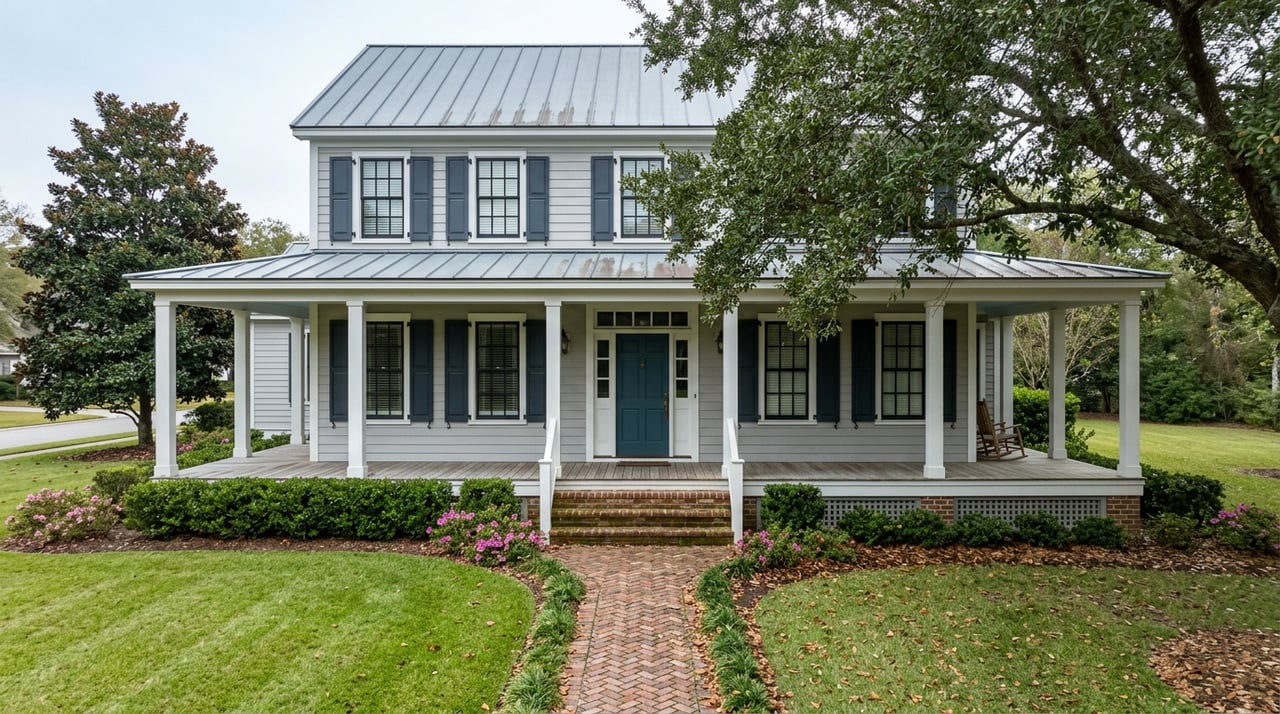
Buying a home from out of town can feel like trying to solve a puzzle without seeing all the pieces. If Daniel Island is on your radar, you are likely balancing excitement with a healthy dose of caution, especially if you cannot easily walk the streets, tour properties in person, or handle closing details face to face. The good news is that with the right plan, the right local guidance, and careful due diligence, you can buy confidently from afar. Let’s dive in.
Why Daniel Island Needs Extra Remote Planning
Daniel Island is a 4,000-acre island within the City of Charleston in Berkeley County, set between the Cooper and Wando rivers. It includes a pedestrian-friendly downtown, parks and green space, and Credit One Stadium, which gives the area a distinct layout and lifestyle compared with many other Charleston-area communities.
For remote buyers, that layout matters because Daniel Island is not just about the home itself. You also need to understand community governance, property rules, map layers, and location-specific factors that may affect how you use the property after you close.
The Daniel Island Property Owners’ Association is a key source for community information, including resident amenities, architectural review information, and governing documents. If you are buying from out of town, reviewing those materials early can help you avoid surprises later.
Start With a Remote-Buying Game Plan
When you are not in Charleston, the process works best if everyone involved stays on the same page from the start. That usually means a clear communication system between you, your agent, attorney, lender, and inspector.
A documented communication chain helps reduce the risk of missed repairs, confusion around community rules, closing delays, and even wire-fraud issues. For remote buyers, strong coordination is not just helpful. It is one of the biggest protections you have.
Build your team early
South Carolina closings are attorney-supervised, which makes it especially important to confirm your closing team at the beginning of the process. You will want to know who is handling legal oversight, who is coordinating inspections, and how updates will be shared with you.
This is where full-service representation matters. When you are buying from another city or another state, you need someone local who can help keep details from falling through the cracks and make sure the process stays organized.
Ask for a remote-friendly showing process
If you cannot tour in person, ask for a clear plan for virtual showings and follow-up questions. A video tour can help you understand layout, light, finishes, and flow, but it should be paired with careful document review and inspection planning.
Virtual access is useful, but it is not a substitute for due diligence. You still need to verify property condition, community rules, and location-specific risks before you move forward.
Review Seller Disclosures Carefully
South Carolina law requires the owner to provide a written residential property disclosure before the contract is signed, and that form may be delivered electronically. This makes the disclosure especially helpful for out-of-town buyers who need information quickly and in writing.
The disclosure covers a wide range of topics, including structural components, mechanical systems, water and sewer systems, wood-destroying insects, environmental hazards, meter charges, zoning and restrictive covenants, lease or rental agreements, and HOA governance. That gives you an important starting point for questions and next steps.
Know what the disclosure does not do
The seller disclosure is important, but it does not replace your own inspections. Under South Carolina law, buyers still have an obligation to inspect, and agents do not have a duty to inspect onsite or offsite conditions for you.
The law also says a missing disclosure does not automatically void the agreement or provide a valid reason to delay closing. In other words, remote buyers should treat the disclosure as one part of the due diligence process, not the whole process.
Ask for corrections if new issues are discovered
If the seller later learns that a disclosure contains a material inaccuracy, the seller must correct the issue or make reasonable repairs before closing. That matters when you are buying remotely, because written updates can affect your inspection decisions and repair conversations.
A careful review of the disclosure can also help you build a better inspection list. If something looks unclear, that is your signal to ask questions early.
Request Daniel Island Governing Documents Early
On Daniel Island, a home purchase may involve more than the property deed and the seller disclosure. Because the community has its own governance structure, remote buyers should request the full POA and CC&R package as early as possible.
This step is especially important if you are considering a condo, townhome, or a property with exterior changes, shared elements, or rental restrictions. Community documents can affect how you use, maintain, or modify the property after closing.
Pay close attention to ARB rules
The Daniel Island POA includes architectural review information, which can be important if you plan to make exterior updates. If you are buying from afar and already thinking about improvements, do not assume every change is automatically allowed.
Reviewing ARB rules early can save time, money, and frustration later. It can also help you decide whether a specific property fits your plans.
Understand what may not be covered in the disclosure
South Carolina’s disclosure form applies to the dwelling itself. It does not cover common elements or areas that the owner does not directly and primarily control.
That is another reason remote buyers should request the full governing-documents packet before removing contingencies. If you skip that step, you may miss important information about shared spaces, use restrictions, or approval requirements.
Use Local Map Tools Before You Make an Offer
One of the hardest parts of buying from out of town is understanding how a property fits into its surroundings. On Daniel Island, local mapping tools can help you fill in that gap.
Charleston’s GIS portal offers MAPNET, which includes zoning, land use, trash and garbage, district lookups, and a Daniel Island/Cainhoy map layer. Berkeley County’s property search site is the county’s official reference for assessment and tax information.
Check zoning and district details
If you cannot drive the neighborhood yourself, map-based research becomes even more important. Local GIS tools can help you confirm how a property is classified and which local districts apply.
That kind of review can give you helpful context during the offer stage. It is a practical way to understand more about the property beyond the listing photos.
Verify county tax and assessment records
Berkeley County’s property search records are a public reference tool and generally reflect updates processed as of the previous county workday. For remote buyers, this is a useful place to confirm basic tax and assessment information.
It is also a good reminder that online records should be reviewed early, not the night before closing. Giving yourself time to cross-check details can prevent last-minute stress.
Put Flood and Insurance Checks Up Front
Flood diligence is one of the most important parts of buying in the Charleston area, and it deserves extra attention on Daniel Island. Charleston’s 2023 Flooding and Sea Level Rise Strategy states that the area has experienced about 13 inches of sea-level rise over the past 100 years and is seeing flooding more frequently.
Because of that, remote buyers should treat flood review as an offer-stage item, not a final-week item. Waiting too long to review flood maps, insurance questions, or drainage concerns can create avoidable surprises.
Review official flood tools
FEMA’s Flood Map Service Center is the official public source for flood hazard information. Charleston’s GIS flooding page also points users to FEMA flood maps, NOAA tide data, road-closure monitoring, and sea-level-rise tools.
These resources can help you evaluate the property more thoroughly when you cannot be there in person after a heavy rain or high tide event. They also help you ask smarter questions about insurance and site conditions.
Get insurance quotes early
FEMA notes that flood maps help mortgage lenders determine insurance requirements. That means insurance costs and coverage questions may directly affect your monthly budget and overall comfort with the purchase.
Before you finalize an offer, ask for the information needed to get insurance quotes and review any available elevation or flood-related documents. This step is especially valuable for second-home buyers who want a clear picture of carrying costs.
Confirm Your Property Tax Classification
If the Daniel Island home will be your primary residence, tax classification is an important part of your planning. South Carolina provides a special 4% assessment ratio for legal residence, while a second home or vacation home is generally assessed at 6%.
The legal residence classification must be approved by the county assessor before that exemption is granted. For remote buyers, this is an easy detail to overlook, especially if you are focused on financing, inspections, and moving logistics.
Primary home versus second home
Before closing, be clear about how you plan to use the property. A primary residence and a second home may be taxed differently, and that difference can affect your ongoing ownership costs.
If you are buying a Daniel Island property as a part-time home, you should plan around the second-home classification from the start. It is better to budget accurately early than be surprised later.
Plan the Closing Process Early
A remote purchase can absolutely work in South Carolina, but your closing still needs to follow state rules. The South Carolina Bar says an attorney may conduct a closing by mail if the attorney supervises all aspects, can communicate with the client, and can explain the documents being signed.
The same guidance says there is no legal requirement for you to attend the closing in person. That gives out-of-town buyers a workable path, but it still needs to be organized early and led by the closing attorney.
Ask whether closing will be mail-away or hybrid
One of the smartest questions you can ask early is how your closing will actually happen. Depending on the transaction, you may use a mail-away closing, a limited power of attorney, or a hybrid approach.
The South Carolina Bar describes a limited power of attorney as a common practice when a buyer does not want to attend the closing in person. Knowing your options early helps you avoid a last-minute scramble.
Understand South Carolina notarization rules
South Carolina electronic notarization is not the same as remote online notarization. According to the Secretary of State, the signer and notary must still be in one another’s presence, even if documents are reviewed electronically and signed electronically.
That distinction matters for out-of-town buyers. If you assume every document can be signed remotely without planning, your timeline could get tighter than expected.
Protect Yourself From Wire Fraud
Wire fraud is one of the biggest closing risks for remote buyers because so much communication happens by email and phone. The Consumer Financial Protection Bureau warns that scammers may impersonate a real estate agent or settlement agent and send fake instructions for down payment or closing funds.
The safest approach is to verify every wire instruction before sending money. That means using a trusted phone number you obtained independently, not a number in a suspicious email or a reply thread.
Keep a trusted contact list
Before closing week, make sure you know exactly who your contacts are for the attorney’s office, your lender, and your real estate agent. Save those numbers and confirm who should be calling or emailing you about funds.
This simple step can make it much easier to spot a scam. It also gives you more confidence when timing matters.
A Simple Remote-Buyer Checklist for Daniel Island
If you want to keep the process organized, focus on these steps before you remove contingencies or move too far toward closing:
- Request the full Daniel Island governing-documents packet, including POA, CC&Rs, and any ARB rules.
- Review the seller disclosure carefully and build your inspection questions from it.
- Use Charleston GIS and Berkeley County property tools to confirm zoning, district, tax, and assessment details.
- Review FEMA flood maps and Charleston flood tools before finalizing your offer.
- Get insurance quotes and ask flood- and drainage-related questions early.
- Confirm whether the home will be your primary residence or a second home for tax purposes.
- Ask the closing attorney to explain the closing method, signing method, and notarization plan well in advance.
- Verify all wire instructions by phone using a trusted, independently obtained number.
The Right Support Makes Remote Buying Easier
Buying a Daniel Island home from outside Charleston is very doable, but it works best when the process is calm, organized, and detail-driven. When you know which documents to request, which local tools to use, and which decisions to make early, you can move forward with much more confidence.
If you are planning a move to Daniel Island or searching from out of town, working with a local agent who values communication and careful coordination can make the experience much smoother from search to closing. If you want thoughtful, full-service guidance tailored to your timeline, reach out to Michele Moriarty to start the conversation.
FAQs
What should remote buyers review before buying a Daniel Island home?
- Remote buyers should review the seller disclosure, Daniel Island POA and CC&R documents, ARB rules if applicable, local GIS map data, Berkeley County tax records, flood maps, and insurance information before removing contingencies.
How do South Carolina disclosures work for out-of-town homebuyers?
- South Carolina requires the seller to provide a written residential property disclosure before the contract is signed, and it may be delivered electronically, but buyers still need to complete their own inspections.
Why are Daniel Island governing documents important for remote buyers?
- Daniel Island governing documents can outline property rules, community restrictions, architectural review requirements, amenities, and other details that may affect how you use or modify the property.
How can remote buyers check flood risk for a Daniel Island property?
- Remote buyers can review FEMA flood maps and Charleston GIS flood tools to better understand flood hazard information, tide-related context, and other location-specific factors before finalizing an offer.
Can you close on a Daniel Island home without being in Charleston?
- Yes, South Carolina allows attorney-supervised mail-away closings, and there is no legal requirement that the buyer attend in person, but the process should be confirmed with the closing attorney early.
What should out-of-town buyers know about notarization in South Carolina?
- South Carolina electronic notarization still requires the signer and notary to be in each other’s presence, so buyers should confirm their signing and notarization plan well before closing.
How does property tax classification work for Daniel Island buyers?
- In South Carolina, a legal residence may qualify for a 4% assessment ratio, while a second home or vacation home is generally assessed at 6%, subject to county approval for legal residence status.
How can remote buyers avoid wire fraud during a Daniel Island closing?
- Remote buyers should verify wire instructions by phone using a trusted number obtained independently and should never rely only on emailed payment instructions.