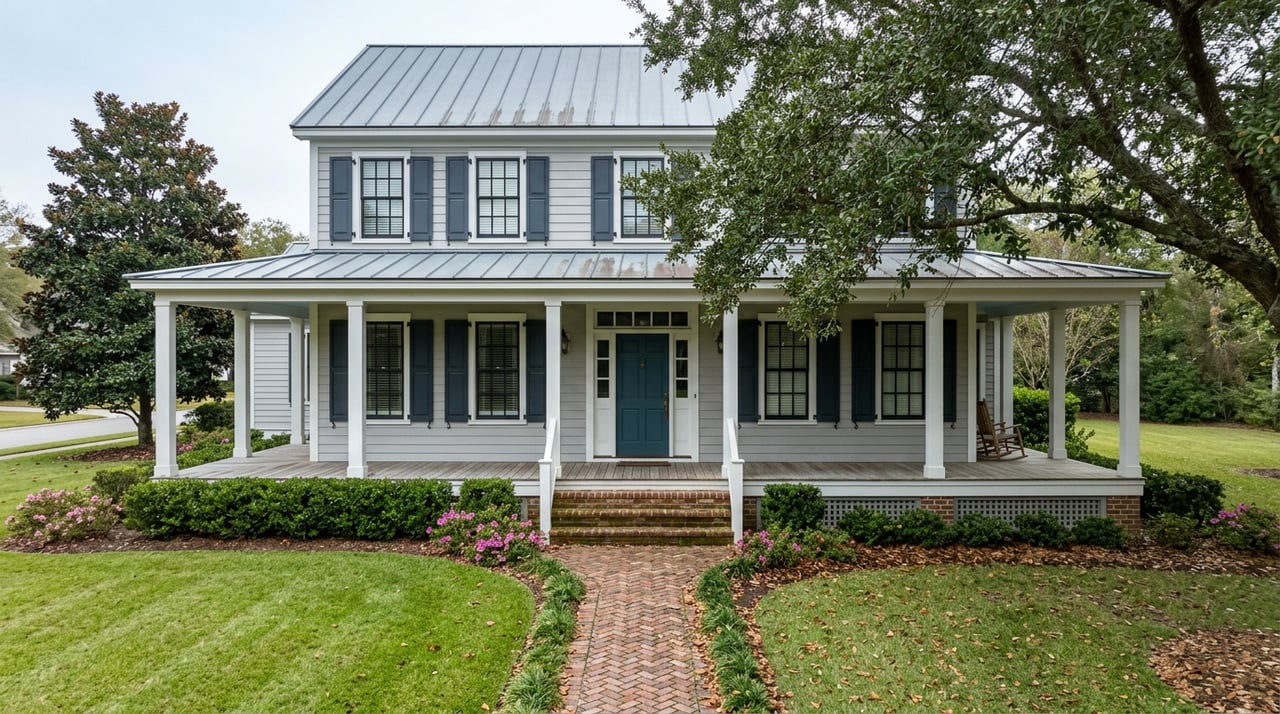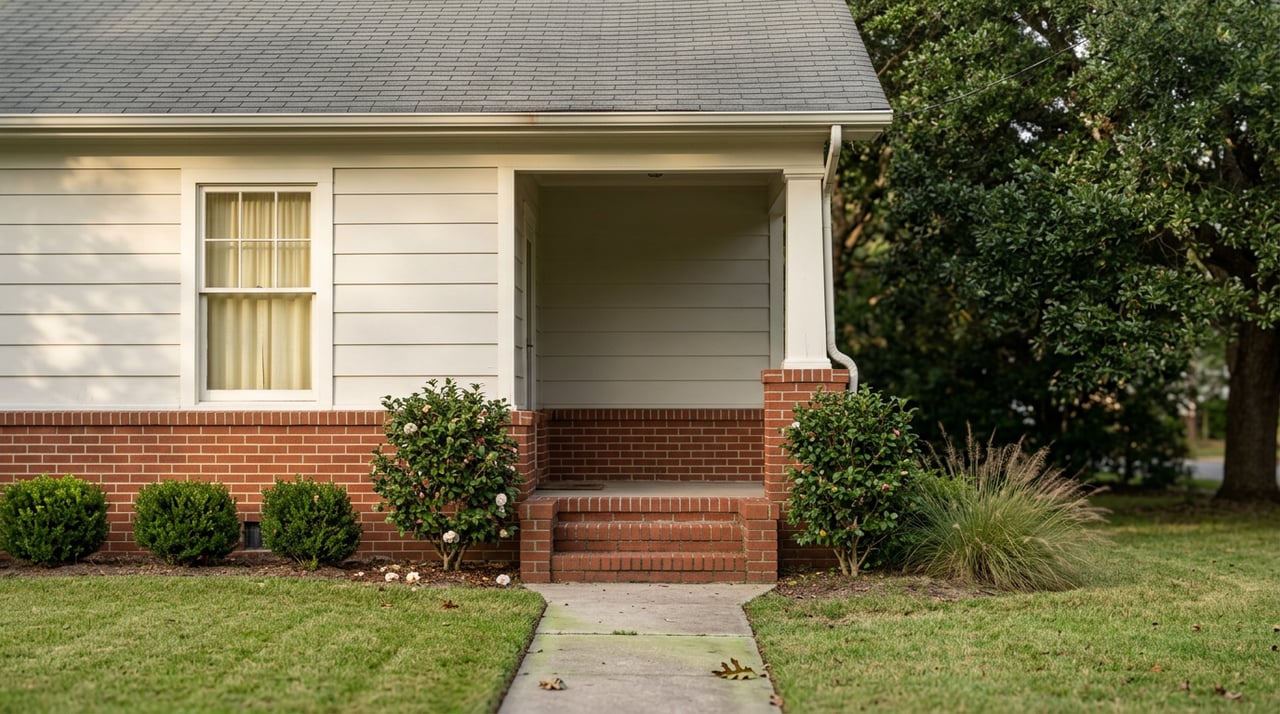
Say you're comparing two West Ashley listings. One is a renovated 1940s brick cottage a few blocks from the Ashley River bridges. The other is a new build off Bees Ferry Road with a floor plan you picked from a builder's catalog. Both show up under the same "West Ashley" search filter. Both get measured against the same published median. Neither price tells you much about the other.
That's the problem worth understanding before you make an offer here. West Ashley isn't one housing market wearing one name. It's two markets that happen to share a mailing address, and the number everyone quotes blends them together in a way that flatters neither.
One Median, Two Neighborhoods
Start with the numbers most buyers see first. One national listing site's West Ashley tracker put the average house price at $523,000 this summer, down slightly from a year earlier, with homes typically taking about 69 days to go under contract. Separately, Charleston Trident Association of Realtors data reported by the Post and Courier showed the median price for a West Ashley townhome or condo at $342,500 as of the end of May 2026, well under the countywide townhome and condo median of $480,000 for that same date. That same reporting put the median price for a Charleston County single-family home at roughly three-quarters of a million dollars.
Those figures are accurate, and they're also nearly useless for deciding whether a specific house is priced fairly. West Ashley stretches from brick cottages five minutes over the bridge from downtown Charleston to unbuilt land near the county line, and lumping them into one average is a bit like averaging the price of a studio apartment and a lakehouse and calling it "the housing market." The two halves of West Ashley don't share comps, don't share buyer pools, and don't share the reason their prices move.
The Historic Core: Too Few Sales to Trust the Number
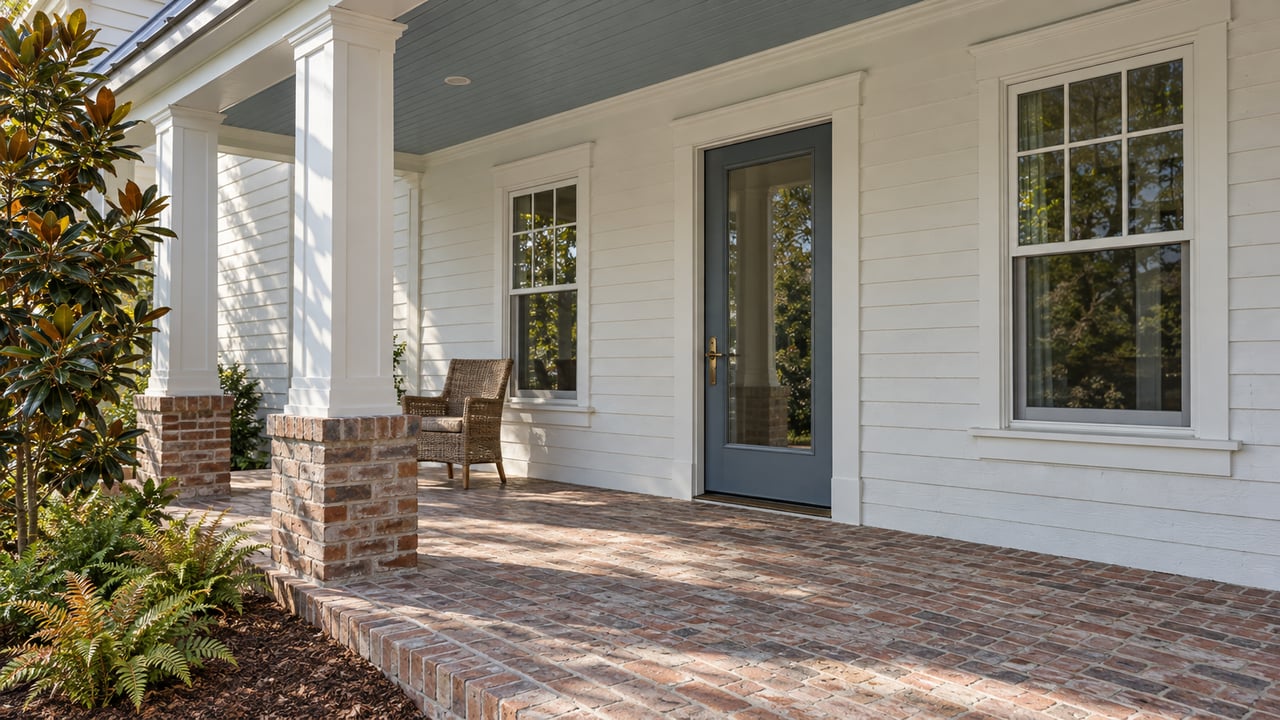
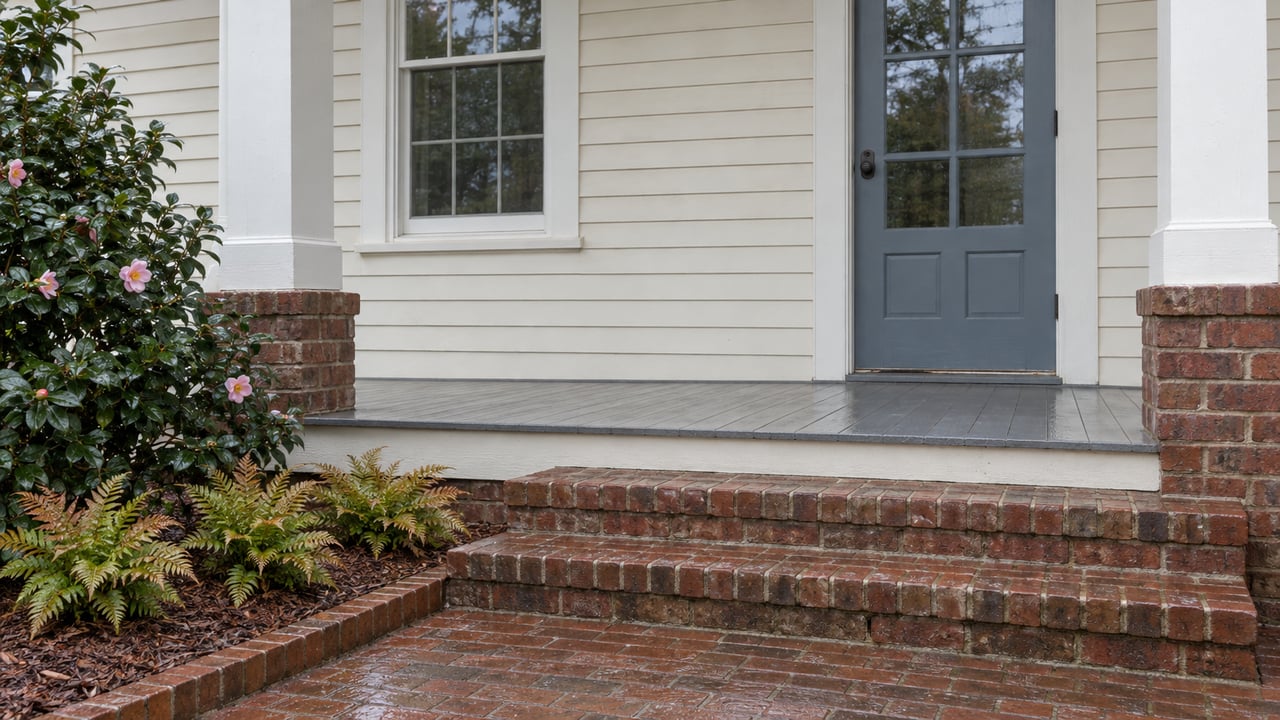
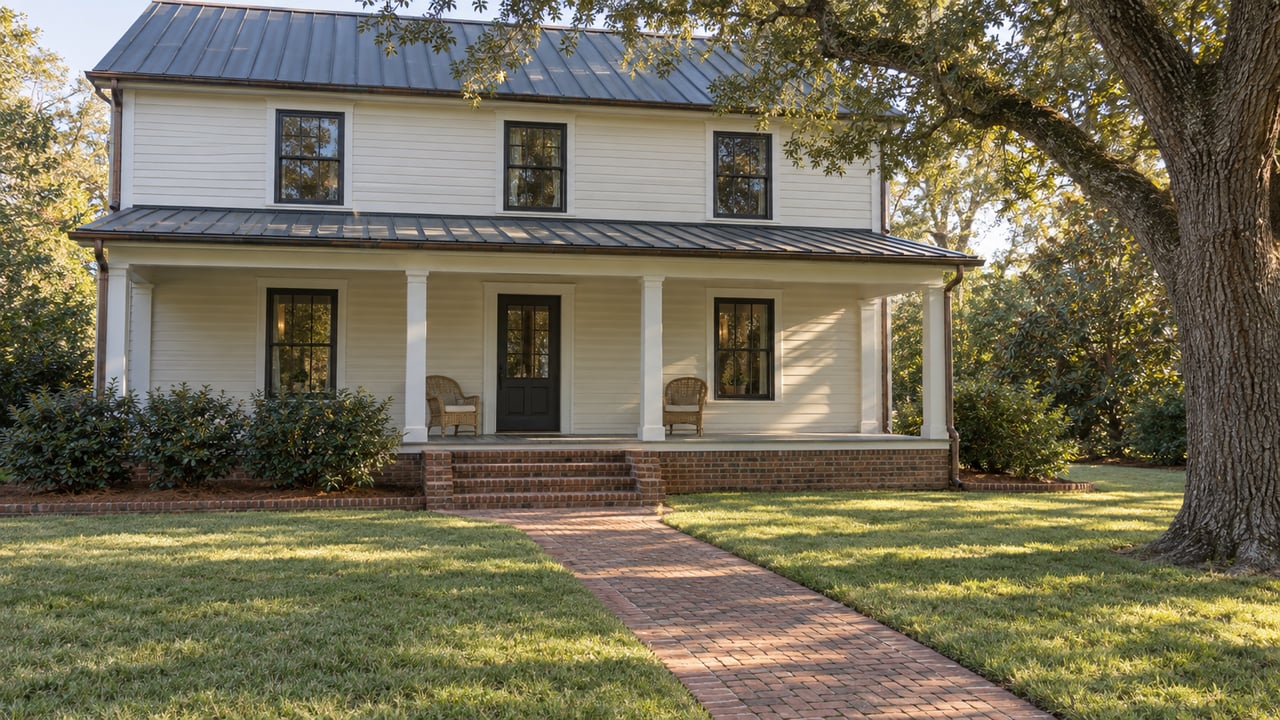
Inside I-526, in neighborhoods like Byrnes Downs, Avondale, and The Crescent, the housing stock is mostly 1940s brick cottages and 1950s through 1970s single-family homes on quarter to half-acre lots, close enough to walk or bike over the Ashley River bridges to the peninsula. It's genuinely desirable. It's also thin.
Pull three different reads on Byrnes Downs pricing and you'll get three different stories, not because anyone got it wrong, but because so few homes sell there in a given stretch that each snapshot is really describing a handful of transactions. One home search site's spring 2025 figures showed a median around $690,000, with only three houses on the market and an average sale time of three days. A separate site's February 2026 statistics for the same neighborhood put typical sale prices closer to $374,000, with a range from $260,000 to $540,000. A more recent read this summer showed an average sale price near $1.25 million, up over 100 percent year over year, with homes taking about 35 days to sell.
None of those numbers is fake. What's happening is that a neighborhood of 1940s cottages on streets like Craven Avenue and Campbell Drive only produces a handful of closed sales in any given window. When one of those sales is a full renovation with custom finishes and another snapshot catches a smaller, untouched cottage, the reported average swings by hundreds of thousands of dollars depending on which few houses happened to close. A median built on three or four sales isn't a trend line. It's whichever houses traded that month, and the sale-speed swing from three days to five weeks across those same snapshots tells you how unstable the underlying sample really is.
The practical version of this for a buyer: don't anchor to the neighborhood-wide number if you're shopping inside I-526. Pull actual closed comps on the specific street, factor in whether the comp was a full renovation or a dated original, and expect the pace to vary widely. The published median you're reading may already be outdated by the time you act on it.
The New-Construction Corridor: Too Much Supply to Trust Last Year's Price
Outside I-526, along the Bees Ferry Road and Glenn McConnell Parkway corridor, the problem runs in the opposite direction. Instead of too few sales, there's too much new supply arriving too fast for any single price point to hold still.
Established communities here, like Carolina Bay, completed by Pulte in 2020 with two pools, a dog park, and miles of walking trails, and Magnolia Bluff, a Mungo Homes community on the Ashley River with a private neighborhood dock, have been joined by a wave of newer projects. A 2025 Post and Courier accounting of the corridor tracked more than 6,000 homes in the pipeline along this stretch, including Storia's planned 155 townhomes with a pool and dog park, Toll Brothers' Verdier Pointe with 101 attached homes starting at $452,000, and Beazer's second phase of Ashley Walk Townes, which opened at $404,990 after the first 57-unit phase sold out. Lennar's Grand Bees neighborhood off Proximity Drive had recently wrapped at the time of that reporting.
The biggest name in that pipeline is Long Savanna, and it's worth pausing on the timeline. The original master plan, approved by the city in 2008, once called for as many as 4,500 homes. Nearly two decades later, the version now moving through city review as of July 2026, per Live 5 News, calls for 1,637 total units built across five phases over the next 10 to 15 years, alongside a 1,628-acre county park and a 203-acre city park. Mungo Homes announced that the first phase of drive-under single-family homes is expected to release in late summer 2026, which puts the opening of one of West Ashley's largest planned communities right around now.
What that means for pricing: a price you saw quoted for new construction in this corridor even a year ago may already reflect a builder incentive or lot premium that no longer applies once the next phase releases. Unlike the historic core, where scarcity is the issue, out here the issue is that comps expire quickly. A floor plan priced at $404,990 in one release wave can be replaced by a similar plan at a different price point once the next section opens, especially as more competing phases from Long Savanna enter the market over the coming decade.
What This Means for How You Shop
The West Ashley median isn't wrong. It's just not describing either of the markets you're likely comparing when you shop here. A few adjustments help:
- If you're looking inside I-526, treat the published median as background noise and price against actual closed sales on the specific street, adjusted for whether the comp was renovated or original condition.
- Build in flexibility on timing in the historic core. Recent snapshots have shown homes here selling in as few as three days and as long as five weeks, so plan your financing and inspection logistics before you find the house, not after.
- If you're looking at new construction outside I-526, ask the builder how the current release compares to the prior phase's pricing and incentives, since those shift release to release rather than month to month.
- Watch the Long Savanna timeline if you're considering the corridor for the long term. A 10 to 15 year buildout means today's comps in Carolina Bay or Magnolia Bluff may look different once additional phases compete for the same buyers.
FAQ
Is West Ashley more affordable than the rest of Charleston County? On the numbers most often quoted, yes. This summer's average house price in West Ashley was about $523,000, compared to a Charleston County single-family median of roughly three-quarters of a million dollars as of late May 2026. The gap holds in the attached housing segment too, where West Ashley's townhome and condo median of $342,500 ran well below the countywide figure of $480,000 for the same period. Neither number describes any one house, but the gap between them is real.
Will Long Savanna change prices in the rest of West Ashley right away? Not immediately. The project is moving through city review and is planned across five phases over 10 to 15 years, with the first phase of homes from Mungo expected to release in late summer 2026. The more relevant near-term effect is on new-construction pricing specifically, since each phase that opens becomes a fresh comparison point for the phase before it.
Reading a neighborhood accurately means knowing which mechanism is driving the number you're looking at, not just the number itself. If you're weighing a historic cottage against a new build in West Ashley and want a second opinion on what a specific listing's price actually reflects, Michele Moriarty is glad to walk through the comps with you. Let's Connect.