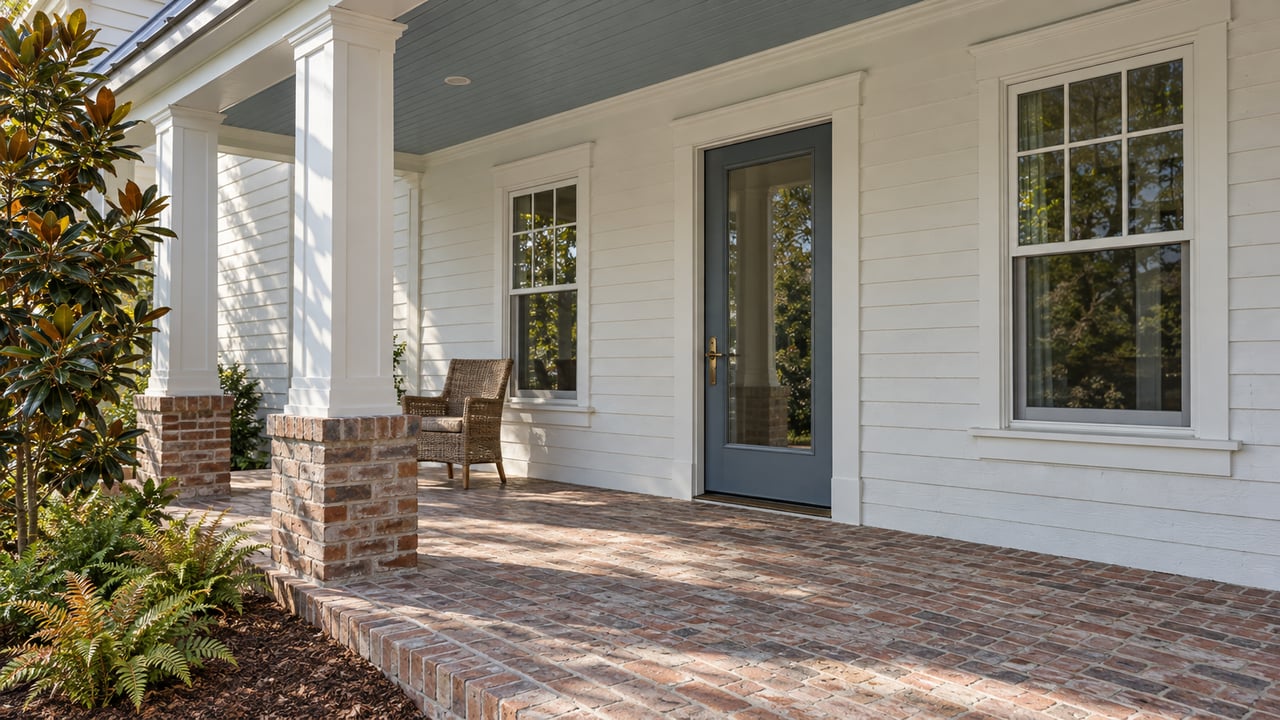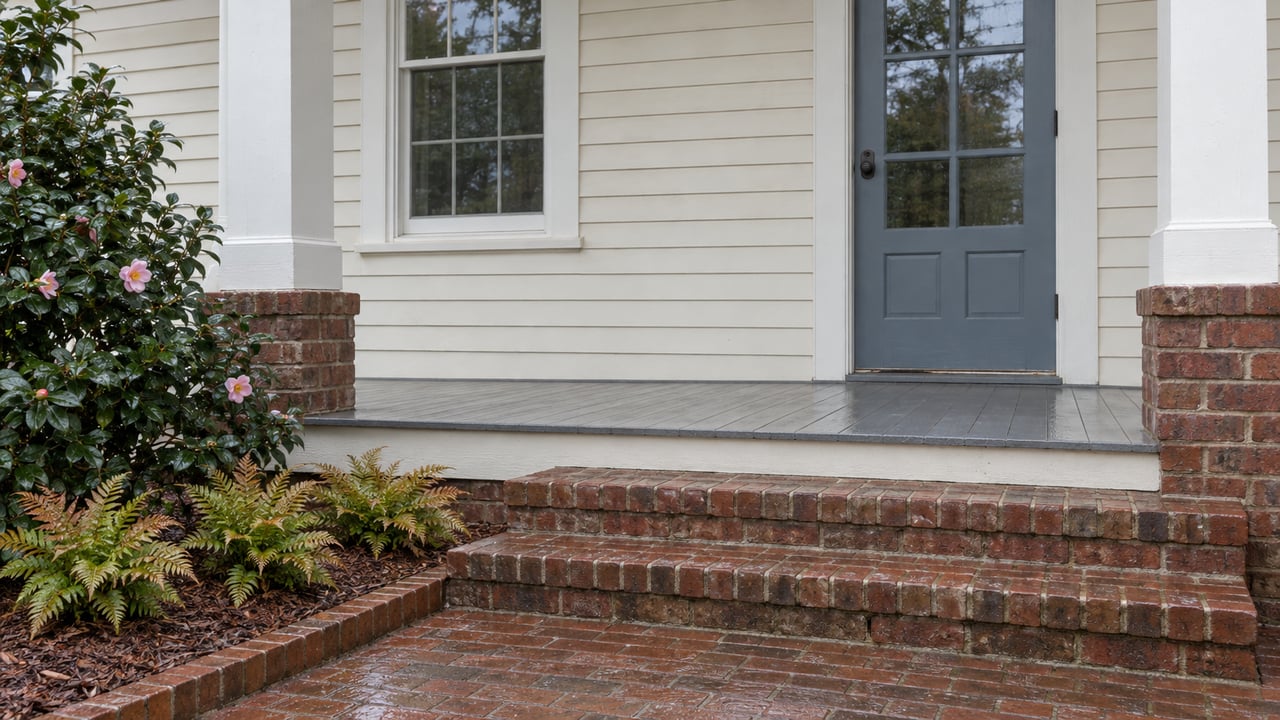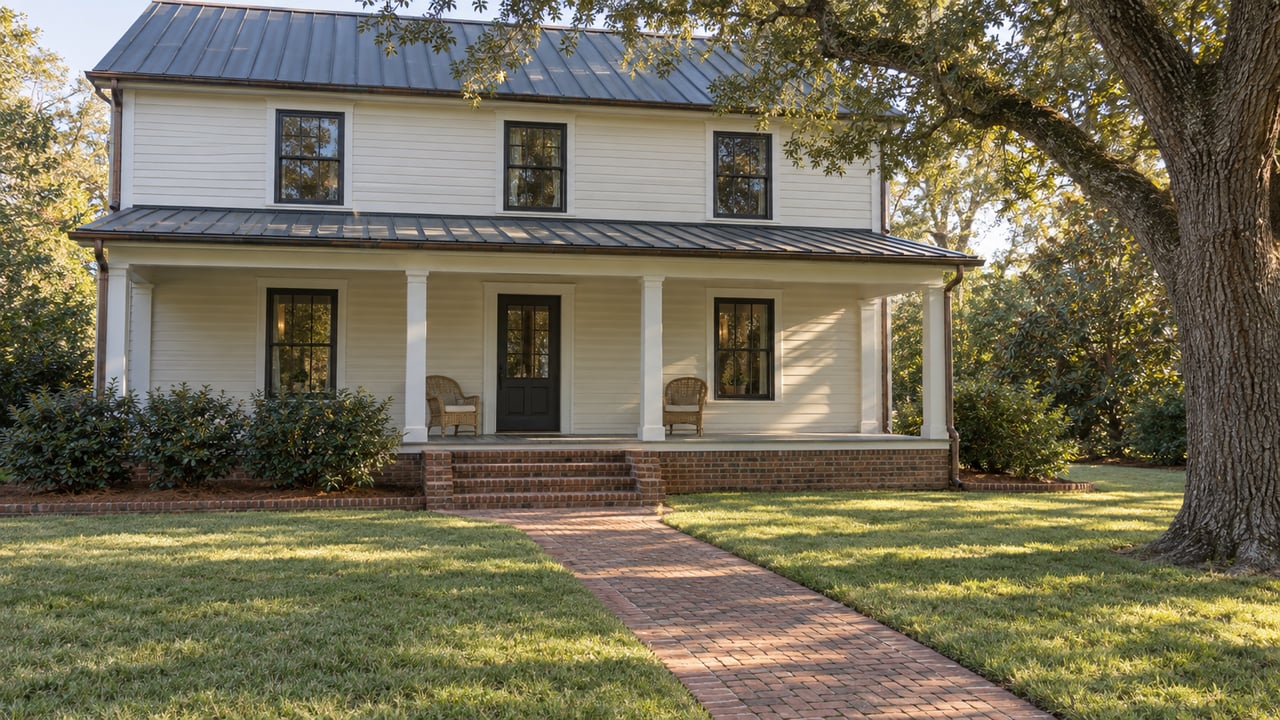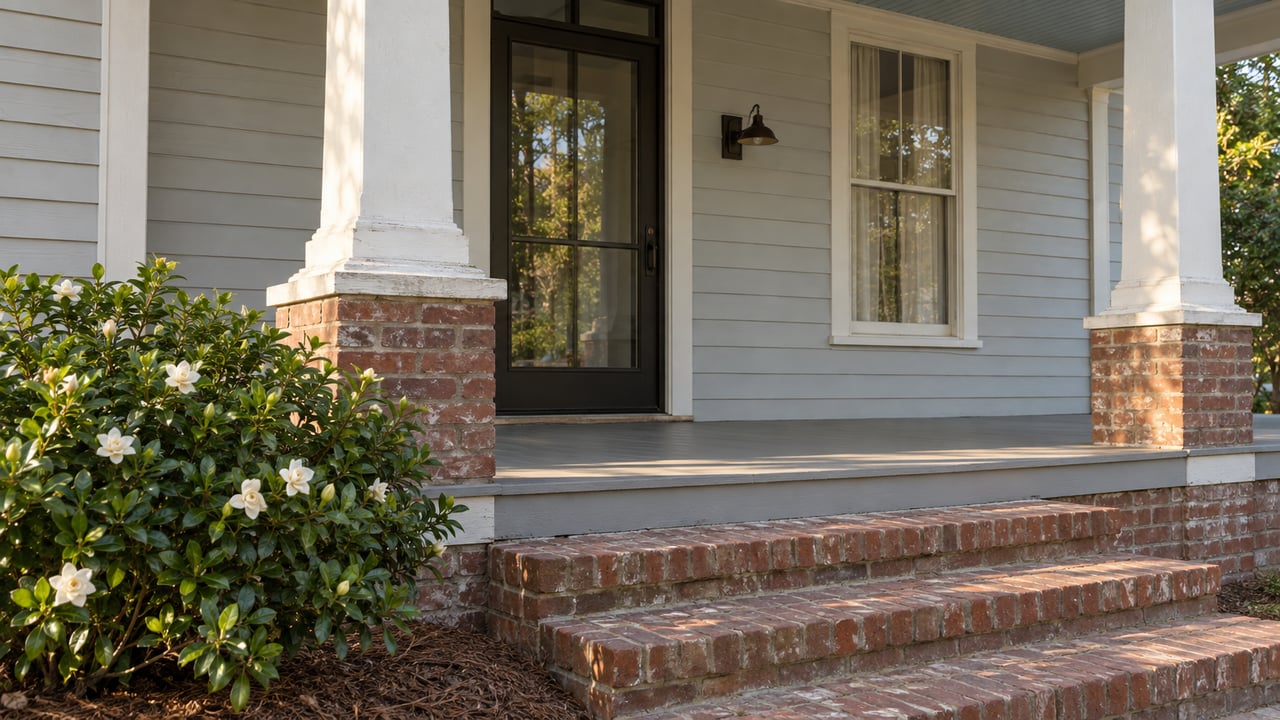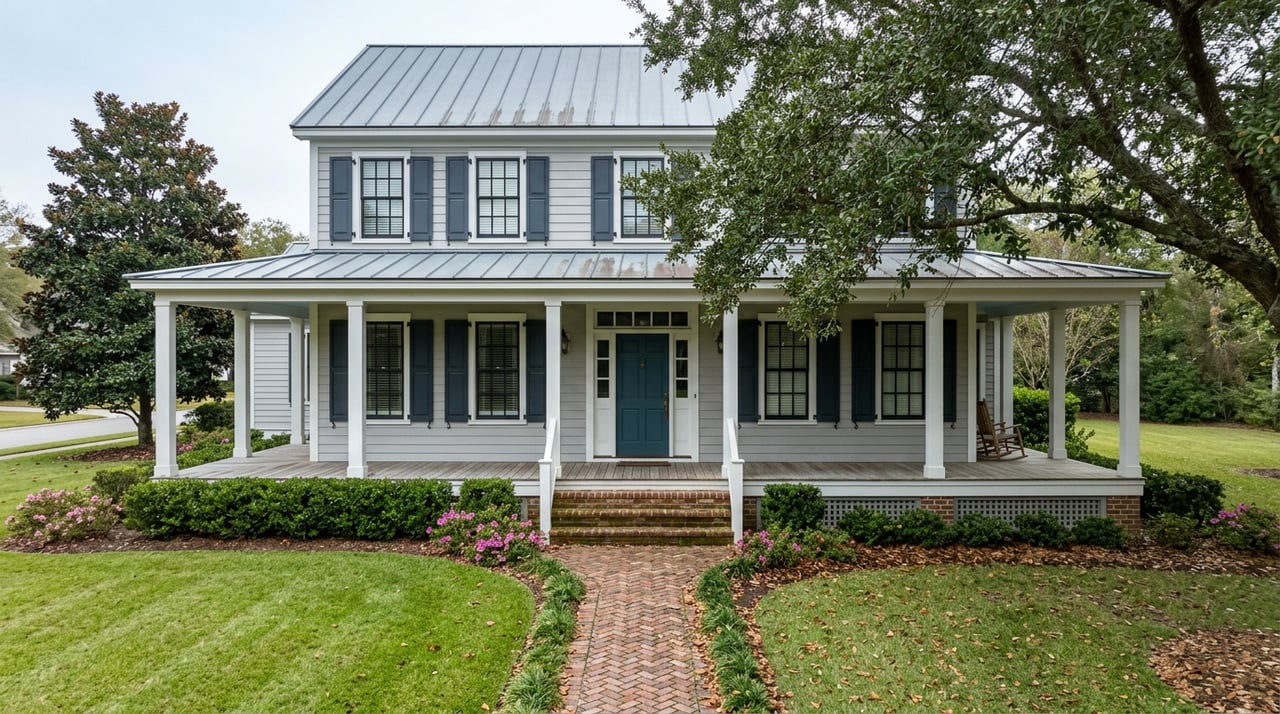
Most Daniel Island buyers walk into contract with a clean picture: sales price, loan, standard South Carolina closing costs, homeowner dues. Then the settlement statement arrives and it has three or four line items that don't appear on any national portal, plus a resale addendum that references an approval process the seller may or may not have followed. This is where the island's covenant structure stops being a lifestyle feature and starts being real money.
The thesis of this post is small but consequential: on Daniel Island, the closing table is where the master-planned community pays for itself, and the biggest risk isn't the fees, which are knowable in advance. It's inheriting exterior work that was never approved by the Architectural Review Board.
"Daniel Island HOA" is the wrong question
Ask which HOA governs a Daniel Island home and you'll get a shrug from anyone who hasn't closed one recently. There isn't one. There are three, sitting under an umbrella property owners' association, and which one applies to a specific address changes the fee schedule.
The Daniel Island Community Association (DICA) includes single-family and townhome properties south of I-526 as well as the Parkside Condominiums. The Daniel Island Park Association (DIPA) includes residential property north of I-526 with the exception of the Oaks. The Daniel Island Town Association (DITA) covers the business district and most of the multi-family residential developments, including the Oaks. The umbrella is the Daniel Island Property Owners' Association, which administers the Architectural Review Board and enforces the restrictions and rules in the community governing documents.
Confirming which association a specific parcel belongs to is the first phone call of any offer. It determines the dues, the capitalization fee at closing, and the design review path if the buyer plans exterior work.
The line items that show up at closing
Below are the current island-level charges that appear on the settlement statement for a typical resale, drawn from the Daniel Island POA's published fee schedule and resale disclosure. They are in addition to standard South Carolina closing costs, county recording, and any lender fees.
| Line item | Amount | Who pays / when |
|---|---|---|
| Community Enhancement Fee (most parcels) | 0.5% of sales price, capped at $7,417 | Buyer, at closing, not prorated |
| Community Enhancement Fee (Codner's Ferry Park and Etiwan Park only) | 0.25% of sales price, capped at $7,417 | Buyer, at closing, not prorated |
| DICA or DIPA Estoppel Fee | $350 for resale closings, not prorated, payable to the Daniel Island Town Association | Seller side, at closing |
| DICA Capitalization Fee | $158, one-sixth of the annual assessment, not prorated | Buyer, at closing |
| DIPA Capitalization Fee | $358, one-third of the annual assessment, not prorated | Buyer, at closing |
| DIPA Lot Maintenance / Street Sweeping | $500, prorated, due at closing | Buyer |
| Annual assessment (DICA) | $947 annual | Prorated |
| Annual assessment (DIPA) | $1,074 annual | Prorated |
On an $1.3 million resale in the main part of DICA, the Community Enhancement Fee alone hits the cap at $7,417 and the buyer will see close to $8,000 in island-specific charges before the annual assessment is even prorated. That is not a rounding error, and it does not appear on any listing portal's "estimated closing costs" tool.
The 0.5% question, and the two-parcel carve-out
The Community Enhancement Fee funds the Daniel Island Community Fund, a private 501(c)(4) that supports community enhancement projects and philanthropic initiatives on Daniel Island and in the surrounding Cainhoy peninsula, financially supported by a Community Enhancement Fee on all resale transactions on the island. It is due at every resale closing on top of whatever the seller and buyer negotiated.
The nuance most first-time buyers miss: two small parcels, Codner's Ferry Park and Etiwan Park, pay one-quarter of one percent rather than one-half. If a buyer is comparing two otherwise similar homes and one sits in Etiwan Park, the closing-cost math is materially different at any price point. On a $1.5 million sale, the difference is roughly $3,700 in the buyer's pocket. That deserves to be in the offer conversation.
The Park side adds another layer
Buyers looking north of I-526 in Daniel Island Park should read the resale addendum before they write. The Park side carries a mandatory minimum club membership of $230 per month, which is not an HOA due, is not covered by the annual assessment, and does not go away if the buyer never uses the club.
If the buyer plans to build custom in a Park sub-neighborhood, the fee tail is considerably longer. In The Retreat, the design review sequence includes an ARB Fee of $5,000 when plans are submitted (with an additional $5,000 review fee after the third revised conceptual design review), a Storm Water Fee of $500 per year until the Certificate of Occupancy is received, a $300 Initial Site Visit fee, a $2,000 Landscape, Grading and Drainage Review Fee, and a $1,500 Dock Review Fee if applicable. Captain's Island uses a parallel but lower schedule with a $3,000 ARB Fee, $300 Initial Site Visit, $1,000 Dock Review, and $2,000 Landscape Grading and Drainage Review.
None of this is hidden. It is published on the POA's closing-fees page. It is simply not surfaced by any tool a relocating buyer typically uses to model their cash-to-close.
ARB history is a diligence item, not a formality
The fee schedule is the easy part. It is knowable in advance and it is the same for every buyer at a given price point. The harder part is inherited compliance.
The Architectural Review Board requires approval for many exterior changes, including paint, roofing, windows, additions, pools, fences, landscaping, and tree removal. That is a broad net, and it applies to the current owner's exterior work as well as any prior owner's. A buyer who closes on a home with an unapproved paint color, an unapproved fence line, or a tree that was removed without a permit can be the one asked to bring the property back into compliance after closing.
For a serious offer on Daniel Island, the diligence list should include:
- The current annual assessment and payment status for the specific association (DICA, DIPA, or DITA)
- The resale addendum and Community Enhancement Fee amount tied to the parcel
- A written estoppel from the POA confirming no outstanding assessments or compliance items
- Any ARB approvals on file for exterior work the current owner has done, and for visible modifications from prior owners
- If the parcel is in Daniel Island Park, written confirmation of the club membership obligation and current dues
A listing agent should have this material assembled before the first showing. If it takes a week to produce, that itself is a signal.
What the 2026 board transition changes
There is one governance shift worth pricing into any Daniel Island transaction closing in 2026 or later. As of 2026, all three associations now operate with fully resident-controlled, property-owner-elected boards. These boards carry direct fiduciary responsibility: they approve annual budgets, oversee spending, and provide guidance on covenants and rules for their respective areas.
Practically, that means budget decisions, reserve funding, and enforcement posture are no longer set by the developer. For a buyer, that is a reason to read the most recent budget and reserve study rather than assume continuity with prior years. For a seller, it means the compliance backlog on a specific home is more likely to be worked through, not deferred, by boards that answer to their neighbors.
One last jurisdictional wrinkle for out-of-state buyers who assume Daniel Island sits inside Charleston County: Daniel Island is within the City of Charleston, but county taxation runs through Berkeley County. Ask Berkeley County for a written tax estimate before closing, especially for a second home taxed at the non-owner-occupied rate. The number will be higher than a Charleston County comparable of the same value.
FAQ
Are these fees negotiable between buyer and seller? The allocation is negotiable in the contract. The fees themselves are set by the associations and the Community Fund and are not waivable at closing.
Does the Community Enhancement Fee apply to new construction? It applies on resale. First-sale terms from a builder are governed by the original purchase contract and may include different closing charges.
What if a prior owner made changes without ARB approval? The obligation to bring the property into compliance can pass to the new owner. Pulling ARB records during due diligence is the way to spot this before it becomes the buyer's problem.
Do condos and townhomes on Daniel Island carry additional regime fees? Yes. Building-level regime fees are separate from the island associations and vary by community and unit size.
If you are writing an offer on Daniel Island, or preparing to list, the closing-table math deserves a careful walkthrough before the contract goes out, not after. Michele Moriarty can pull the specific fee schedule tied to the parcel, request the ARB history, and put the real cash-to-close and net-to-seller numbers in front of you. Let's Connect.